One day, your job is making the work. Then suddenly you’re managing people, sitting in resource meetings, talking finances, facing clients, protecting other people’s ideas and putting out fires.
There’s no secret Creative Director handbook waiting for you when you get there.
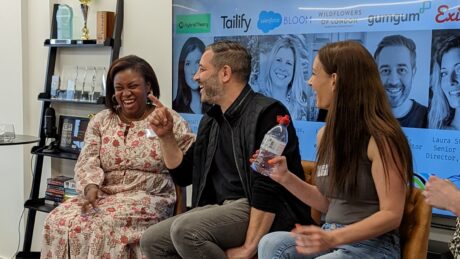
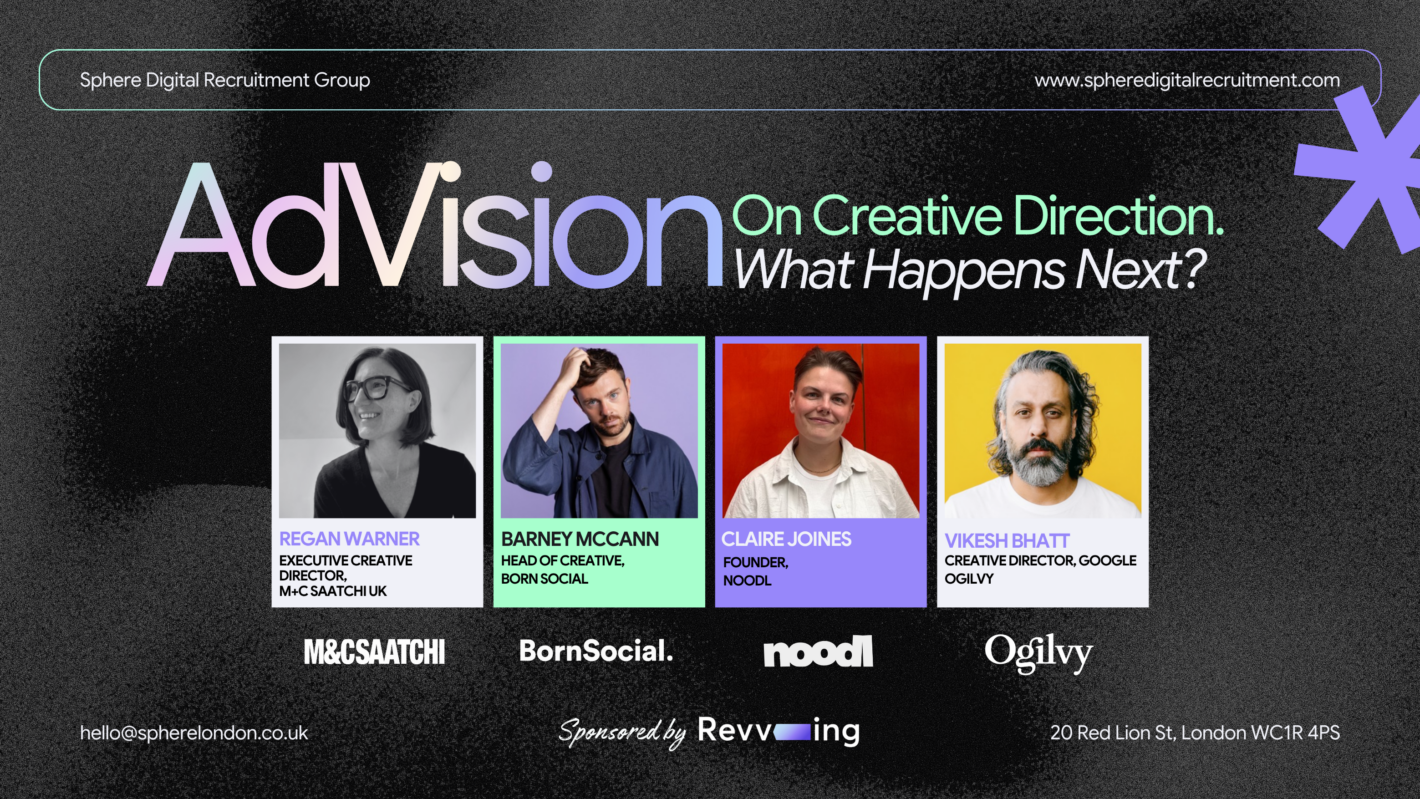
That was one of the clearest takeaways from our latest AdVision, which brought together four incredible creative leaders to talk candidly about what the day job looks like in 2026 and where it goes from here.
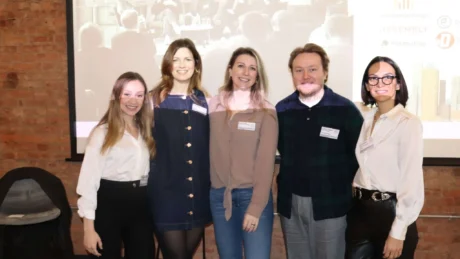
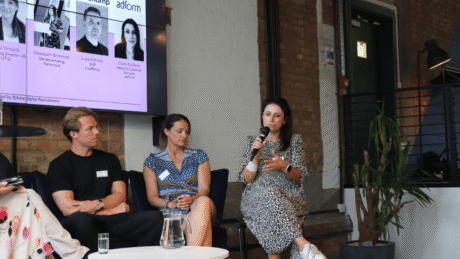
Chaired by Regan Warner, Executive Creative Director at M+C Saatchi UK, the panel featured Barney McCann, Head of Creative at Born Social; Claire Joines, Founder of Noodl; and Vikesh Amey Bhatt, Creative Director at Ogilvy.
From breaking into leadership, to AI, creators, changing team structures and the industry’s favourite ‘A’ word – authenticity – here are some of the conversations that stood out.
Becoming a Creative Director doesn’t mean knowing everything
The move into creative leadership isn’t necessarily the promotion it can appear to be from the outside.
Vikesh described progressing through the industry focused heavily on craft, before finding himself dealing with an entirely different set of responsibilities: clients, finances, team growth, resourcing and everything else that comes with leadership.
And becoming a Creative Director doesn’t suddenly make you an expert in every discipline.
As the panel discussed, today’s creative work can involve designers, copywriters, strategists, directors, creators, freelancers, social specialists and technologists. A Creative Director may ultimately be accountable for the output, but that doesn’t mean they need to be the best person in the room at every part of producing it.
Knowing when to defer to someone who knows more than you do can be just as important as knowing when to lead.
The creative team needs a rethink
The traditional idea of where creativity sits within an agency is becoming harder to defend.
Vikesh argued for rethinking creative “firepower” altogether: instead of defaulting to established team structures, leaders should be more willing to experiment with who they bring together around a problem.
He shared one example of building a team around a creator, strategist and designer rather than a conventional creative pairing. His argument was simple: different combinations of people create different thinking.
Bringing in talent from less traditional backgrounds isn’t about putting those people through the existing agency machine until they think like everyone else. It’s about protecting the perspective that made them interesting in the first place.
Barney made a similar point around careers themselves. His rule worth debunking was that careers are linear.
Experience outside advertising, moving between disciplines or taking a less obvious route into creativity can all produce perspectives that a conventional career path might not.
In an industry looking constantly for something new, perhaps staying firmly in your lane isn’t always an advantage.
AI is making us faster. That doesn’t necessarily mean better.
Inevitably, we talked about AI.
One of the interesting tensions was what happens when AI dramatically increases the amount of work teams can produce?
Vikesh described seeing creatives arrive with 20 highly visualised ideas in a matter of days. On the surface, that’s productivity. The problem is that those 20 executions can sometimes be variations of the same thought.
AI can encourage teams to jump from brief to execution before they’ve spent enough time on the strategy or the idea itself. The result can be a strange imbalance: half-baked strategy and fully realised creative.
The challenge for creative leaders therefore isn’t simply adopting AI. It’s protecting the space their teams need to think.
The panel also touched on using AI for the work creatives don’t want consuming their time – administration etc – leaving more time for the part humans should arguably be doing more of: thinking.
Creators are changing where ideas come from
If AI is changing how creative gets made, the creator economy is changing who gets to make it.
The panel talked about moving away from treating creators as another media channel handed a rigid brief and towards involving them because of the perspective, audience or style they already possess.
Find someone brilliant at what they do and let them do it.
There was also a bigger point here about access.
Traditional advertising hasn’t always been an easy industry to break into. Creators don’t necessarily wait for permission. They make things, build audiences and develop their craft publicly, creating routes into creativity that don’t depend on the right school, course or industry connection.
As Regan put it during the discussion, that can help democratise creativity – bringing different backgrounds, instincts and perspectives into the work.
Creative leaders increasingly need to know how to bring all of those different people together.
About that ‘A’ word…
Authenticity came up. A lot.
Claire’s rule worth debunking was the assumption that authenticity is easy.
Brands and agencies regularly say they want to be authentic, particularly when they’re trying to reach younger or culturally specific audiences. But saying it in a brief isn’t the same as doing the work required to understand those people.
Claire challenged the familiar situation of a room of people trying to imagine how an audience completely different from themselves might think.
Their argument was that genuine audience understanding requires more than five minutes of research. It means conversations, relationships and bringing relevant people into the process – then continuing to involve them as the work develops rather than watching their influence disappear through rounds of feedback.
Perhaps fittingly, the panel proceeded to use the word “authenticity” enough times to become increasingly self-aware about it.
Creative leadership is increasingly about creating the conditions for great work
One idea connecting the conversation was that the Creative Director’s role is becoming less about being the person with all the answers.
It’s about assembling the right people, protecting thinking time, recognising where expertise sits, understanding clients, developing talent and creating the conditions in which brilliant ideas can actually happen.
Sometimes that means getting out of the way.
When an audience member asked what skill future Creative Directors should develop, the conversation also returned to something decidedly low-tech: being good with people.
Knowing how to sell an idea to a client matters. So does understanding the pressures they’re under, building trust and bringing them with you rather than treating the presentation as the final step in the creative process.
As Barney, Claire, Vikesh and Regan each demonstrated, there isn’t one template for what a Creative Director looks like – or one route to becoming one.
Which might be exactly the point.
A huge thank you to Regan, Barney, Claire and Vikesh for such an open conversation, and to everyone who joined us and brought their own questions to the room.
AdVision will be back. Keep an eye out for more insights and clips from the conversation soon.